Forage Brassica Crops for Reliable Feed Through Winter
Plan ahead this spring to secure high-quality winter feed and reduce pressure on your pasture system.
Winter crops plays a key role in New Zealand farm systems, helping bridge feed gaps when pasture growth slows. Whether you are wintering or growing out stock over winter, well-planned forage brassica crops can deliver reliable, high-quality feed exactly when it's needed most.
This guide covers how to get the best out of winter crops, from establishment through to crop selection, so you can make confident decisions this spring.

Why Grow Crops for Winter Feed?
Forage brassica crops are widely used across New Zealand to improve feed supply, increase total dry matter production, and reduce seasonal risk during colder months. When integrated properly into the farm system, they provide a consistent and high-quality feed source when pasture growth is limited.
Key benefits include:
Filling winter feed deficits when pasture growth declines
Increasing total dry matter (DM) production per hectare
Supporting pasture renewal programmes
Improving feed quality and utilisation across stock classes
Reducing system risk during cold, wet winters
When established and managed well, brassica crops provide reliable feed that can be strategically allocated to maintain animal performance and protect pasture covers.
Key Considerations Before Sowing
Successful winter cropping starts well before sowing. Paddock selection, weed pressure, sowing timing, and fertility all influence crop performance and winter utilisation.
Before establishing a crop, consider:
For more detailed agronomy guidance, explore the Brassica Management section.
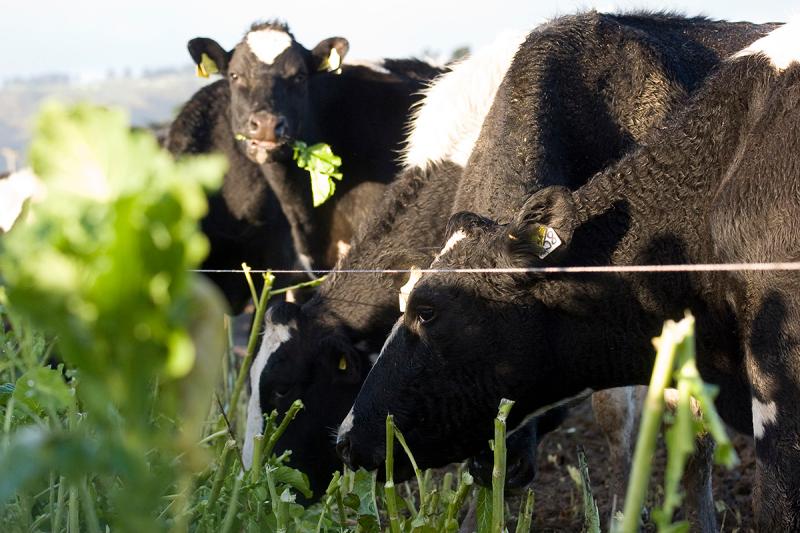
Crops for Winter Grazing
Choosing the right winter crop depends on your farm system, grazing management, and feed requirements. Brassica crops sown for winter provide reliable winter feed across a range of farming systems, with crop choice influenced by stock class, grazing timing, regional conditions, and the role the crop plays within your feed programme.
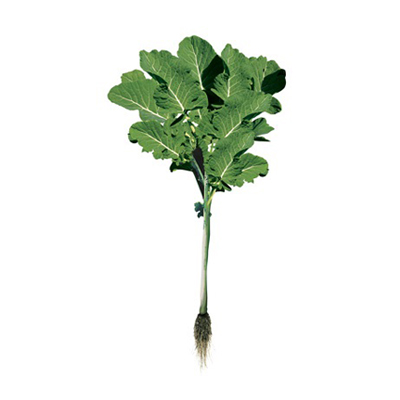
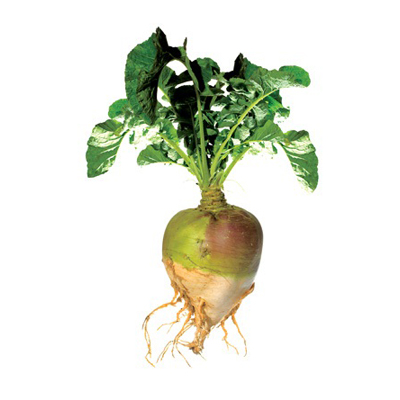
Understanding Crop Types
Once the crop has been selected, the next step is choosing the right crop type or cultivar group to match grazing timing, yield expectations, and utilisation.
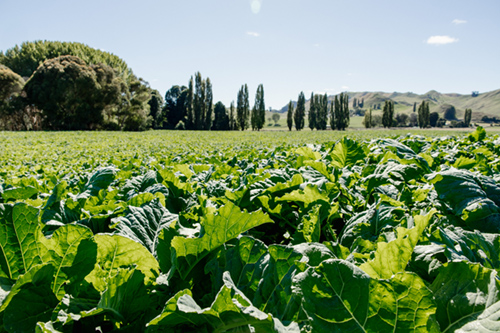
Kale
- Shorter types: These cultivars have a lower yield potential than taller types (due to less stem production), but their short nature provides a high leaf to stem ratio with marrow stem cultivars such as Emblaze or Sarge offering excellent whole plant feed quality. Short types are typically suited to smaller stock classes or areas where snow provides an increased risk of plant lodging.
- Intermediate types: These cultivars provide a good balance between yield and quality. Cultivars such as Regal or Firefly have been selected for softer stems offering improved crop utilisation potential.
- Giant types: Provides the highest yield potential but typically have lower leaf to stem ratios than other types due to higher stem yields.
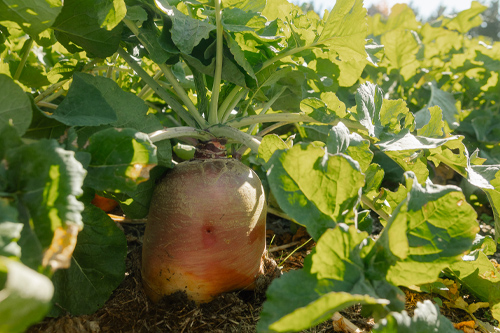
Swedes
- Soft bulb: Early maturing with softer bulbs, these cultivars are suited to all stock classes including younger growing animals.
- Medium type: These medium maturity types have a very high yield potential and are suitable for all stock types.
When crop type, stock class, and grazing timing are aligned, winter crops become a highly reliable and efficient feed source within the farm system.
A System Approach to Cleaner, Higher Performing Crops
Successful winter cropping starts with getting establishment right. Early weed competition is one of the biggest factors limiting brassica crop performance, reducing both yield potential and feed quality.
The Cleancrop™ Brassica System is designed to address this challenge at establishment.
Cleancrop™ combines the power of broad-spectrum herbicide Telar® with brassica cultivars bred to tolerate it. Applied at sowing, Telar® controls up to 23 hard-to-manage weeds, helping create a clean paddock environment from day one.
By removing early competition for moisture, nutrients, and light, crops are able to establish faster and grow more consistently. This leads to:
Stronger early plant development
Improved crop uniformity
Increased dry matter yield potential
Rather than reacting to weed pressure later in the season, Cleancrop™ sets the crop up for success from the start.


Browse Our Brassica Range for Winter Feed
Whether you're looking for Cleancrop™ cultivars to support establishment or proven conventional options, the PGG Wrightson Seeds brassica range offers solutions for a wide range of winter cropping systems.
Cleancrop™ Swede
.jpg&Width=140&height=280&Compression=75&Crop=7)

Early maturing soft swede with an improved leaf and bulb yield as well as increased disease tolerance compared to Major Plus


Medium maturity swede variety with a high yield potential and strong leaf disease tolerance




Cleancrop™ Kale


Short-medium height kale selected for a high leaf percentage and later flowering date


Intermediate height kale selected for improved stem softness. Firefly has a yield potential and leaf percentage similar to Regal
Conventional Kale


Short-medium height kale offering increased leaf percentage and disease tolerance over Kestrel


High yielding intermediate height kale selected for soft stems and improved disease tolerance


New generation giant type kale bred for improved leaf percentage and stem quality over traditional giant types